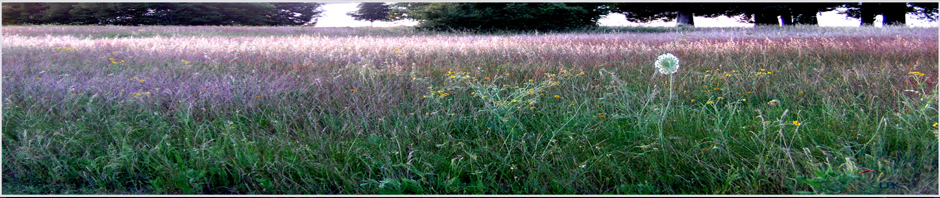
When I looked for stereograms to add to a collage today, I pulled some prints from a couple of years ago. I gave them a long “look” and realized again just how much I really like what they do. One of the primary developments is art since the middle-ages is fore-shortening, to bring a sense of “depth” to flat images. What an innovation! And we’ve been doing it ever since until about the ’20s when some artists realized that flat images could be pretty engaging without artificial perspective. Piet Mondrian, Josef Albers, Jackson Pollock, even Mark Rothko (who insisted his paintings were, in no sense, “landscapes”) eschewed perspective for another kind of depth.
Stereograms have the potential for something completely new. The most significant contribution is the retraining of the eye-brain connection. Once one is comfortable with viewing stereograms from some distance there is a noticable retraining for other kinds of perception. Patterns and colors appear in a different kind of relief. (This is currently quite legal, too.) The images I’ve chosen to produce are simple enough to enjoy on a superficial level, but the stereo effect I can’t help but feel is at least as significant as pointillism, which, remember, was the beginning of color lithography.
Yes, my images are mostly taken from crop-circles, that fascinating and controversial art-form. Are they the work of nocturnal human pranksters, or pucks from another galaxy or dimension? They are environmental works of cereal complexity. Perhaps weaving them into stereo is something worth pursuing.


